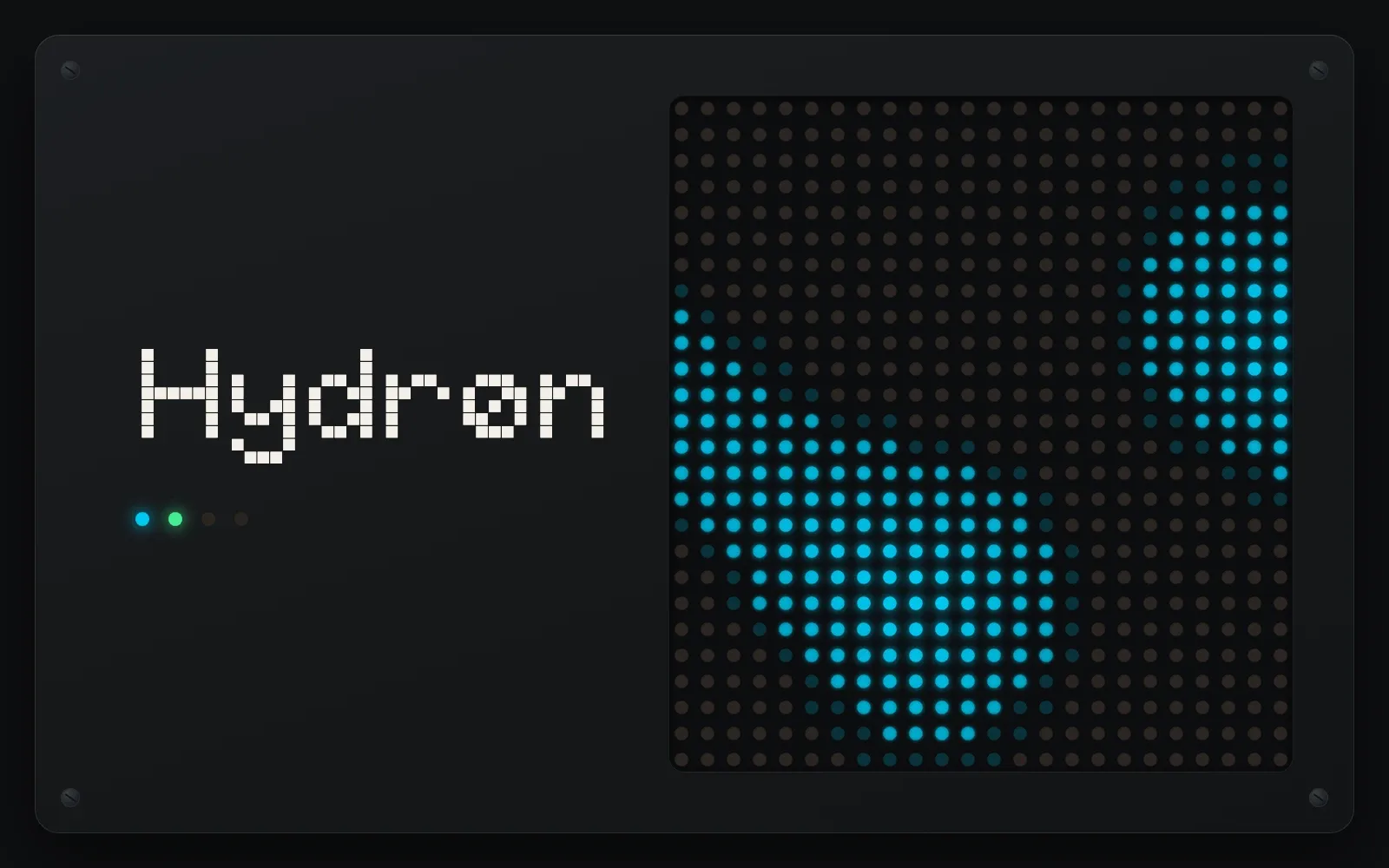
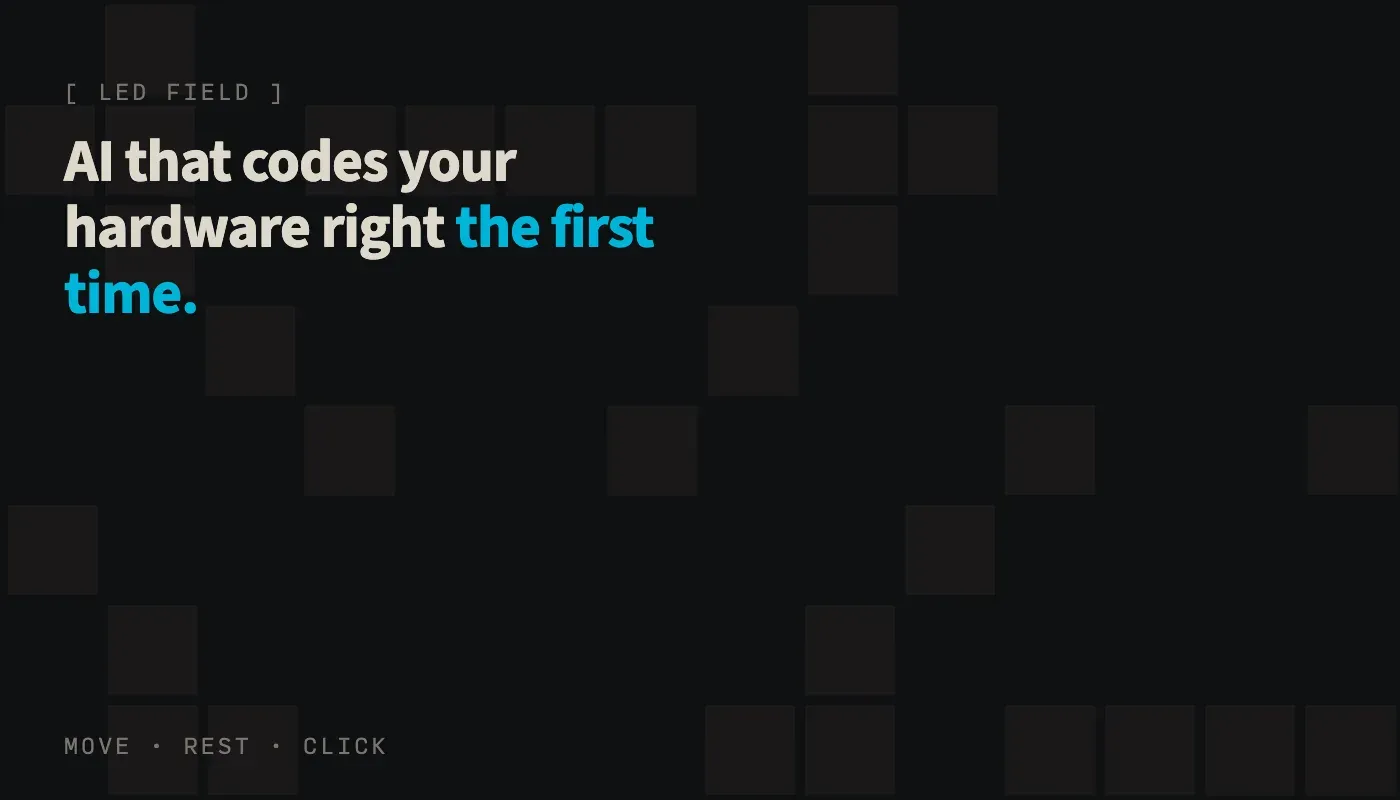
Hydron’s engineers showed me the hardware they work with, and it sent me back to the 80s for inspiration. No one in the hardware space had taken a signal board angle, so that became Hydron’s identity and system.
Hydron is H2LooP’s AI assistant for embedded and hardware engineers. A design system is a shared kit of colours, type, components and rules, from which the team builds Hydron’s screens, web pages and printed pieces.
Without it, each screen and brochure starts from scratch and drifts apart. AI agents, tools that write code on their own, guess at the brand instead of following it.
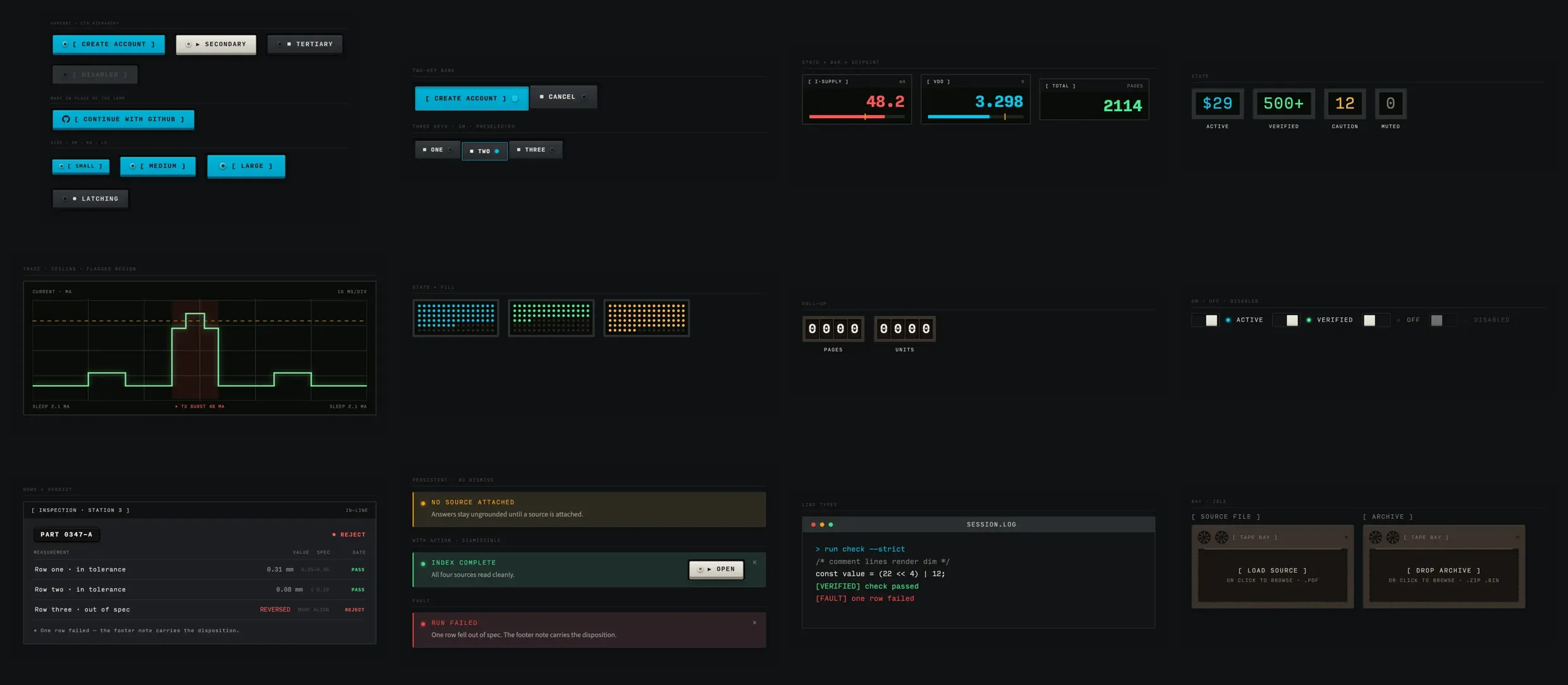
Building an instrument instead of a dark void
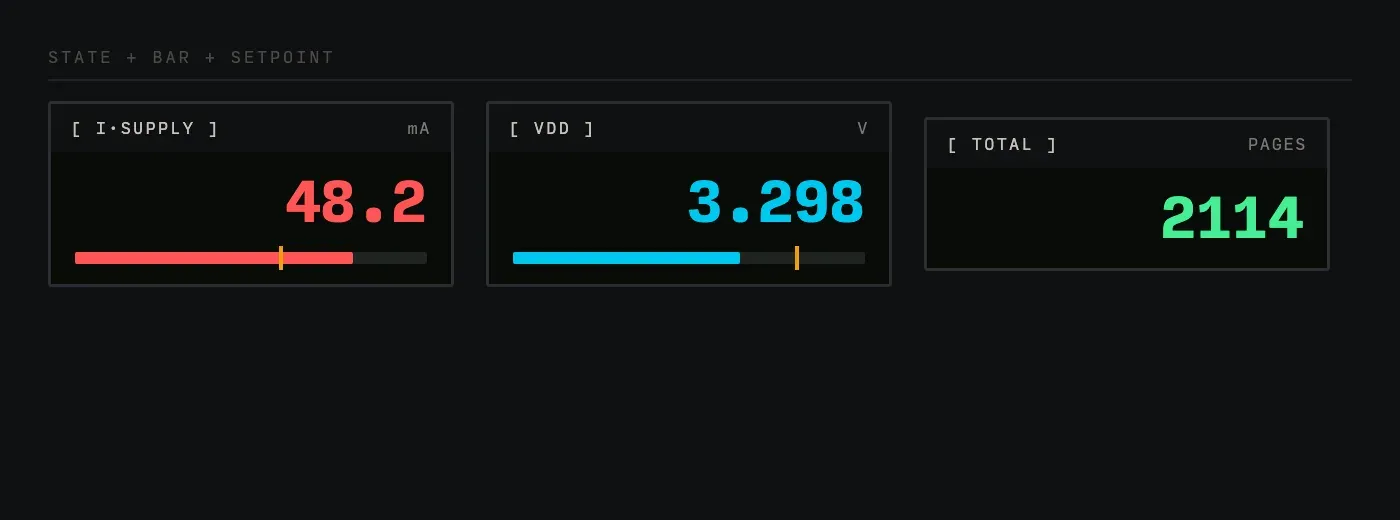
Signal Board pairs anodized panels and cream hardware with instrument layouts inspired by Tektronix, a maker of oscilloscopes and lab test equipment.
I chose the lab bench over the dark, glowing look most AI tools share, because Hydron’s users work with real instruments.
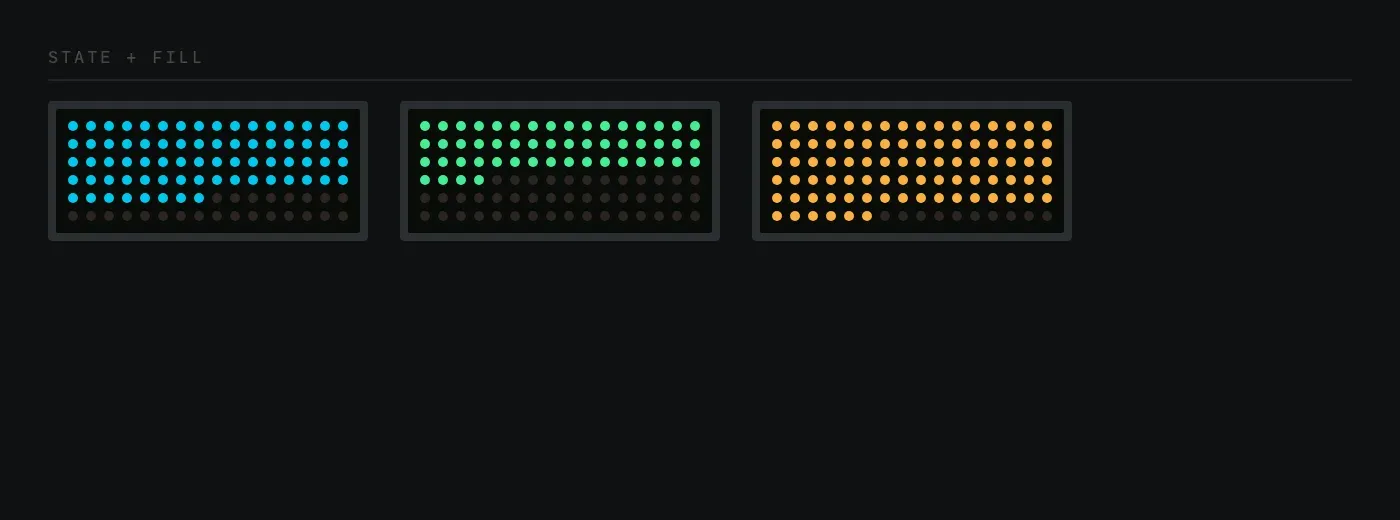
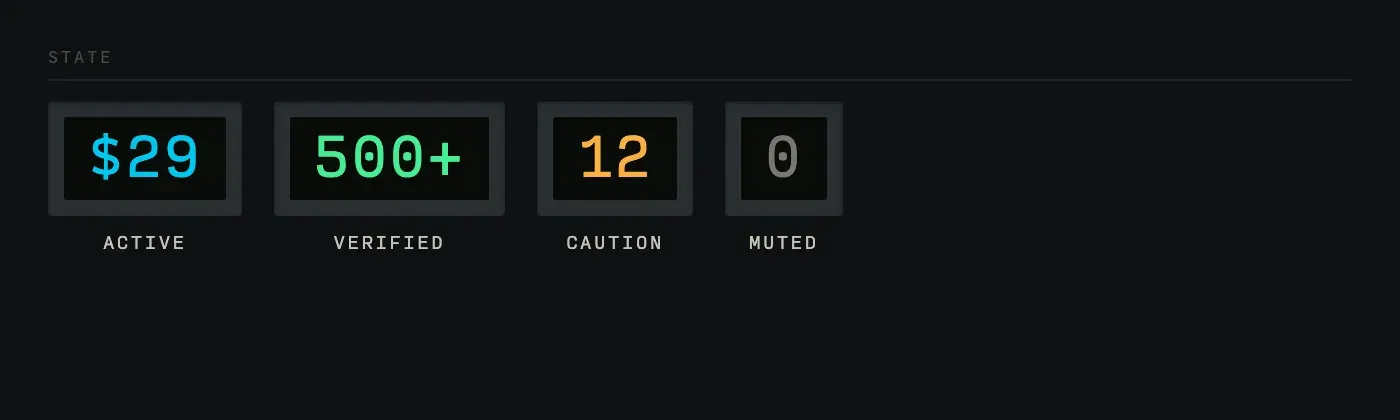

Saving signal colour for live state
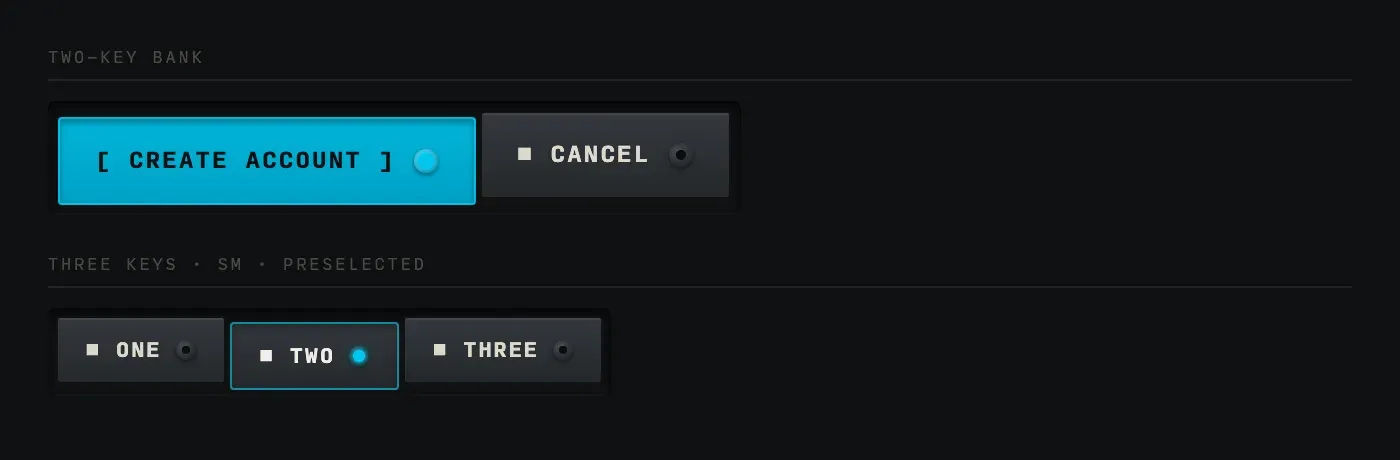
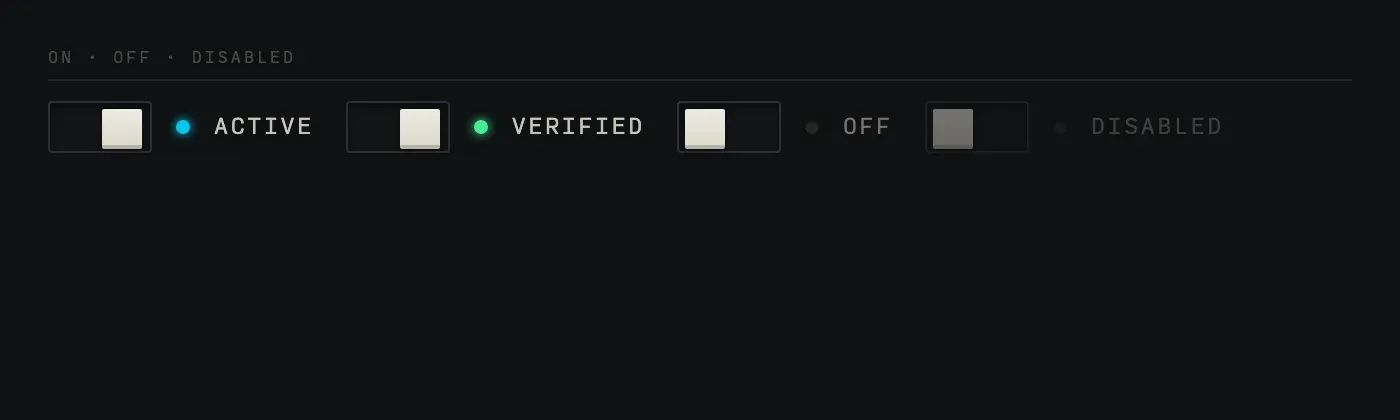
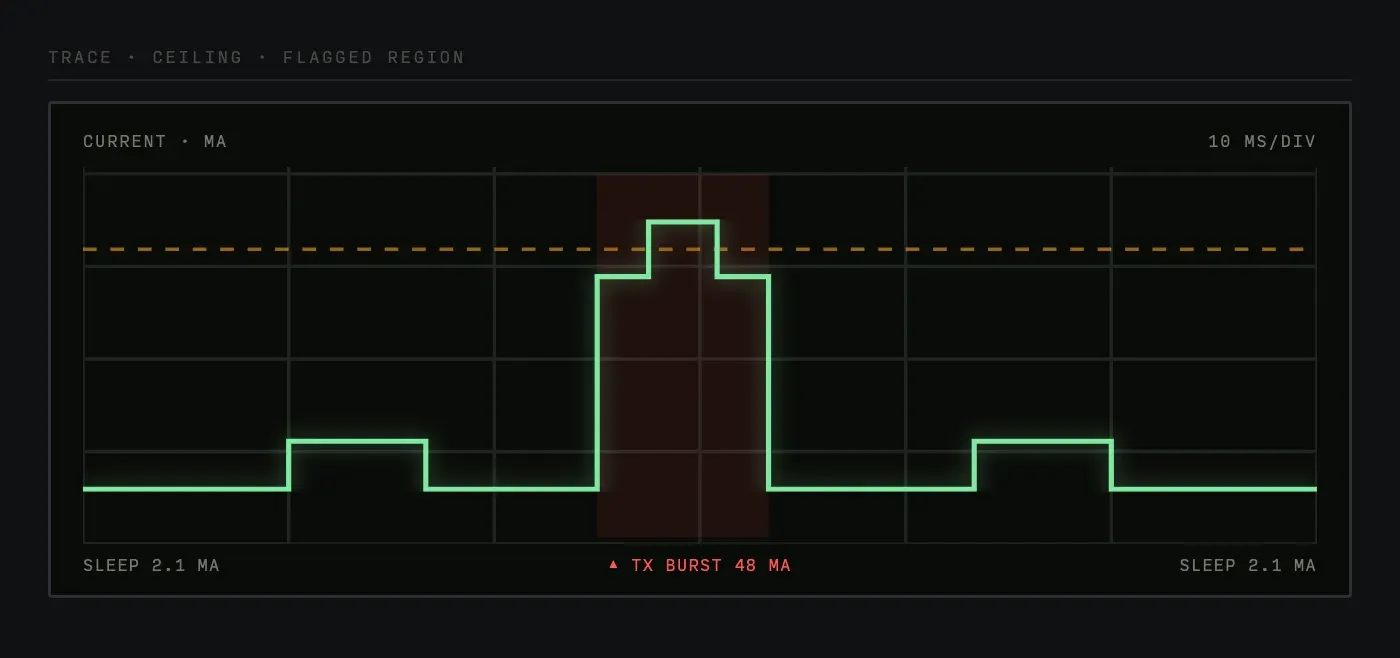
Colour lights up only when something is live, so it never acts as decoration.
Borrowing motion from real hardware
Power-on, needle deflection and register fill each move the way a physical instrument would.
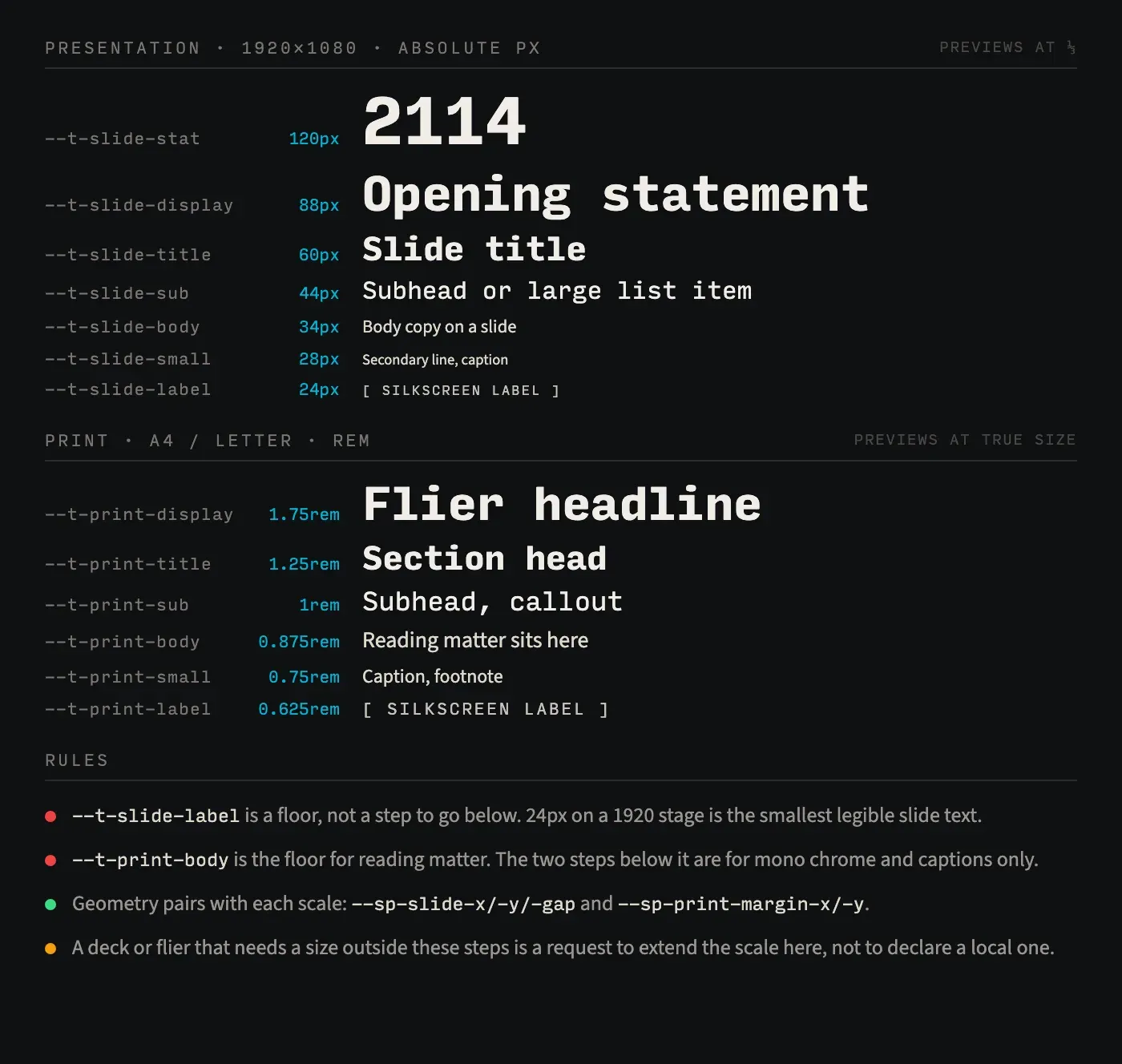
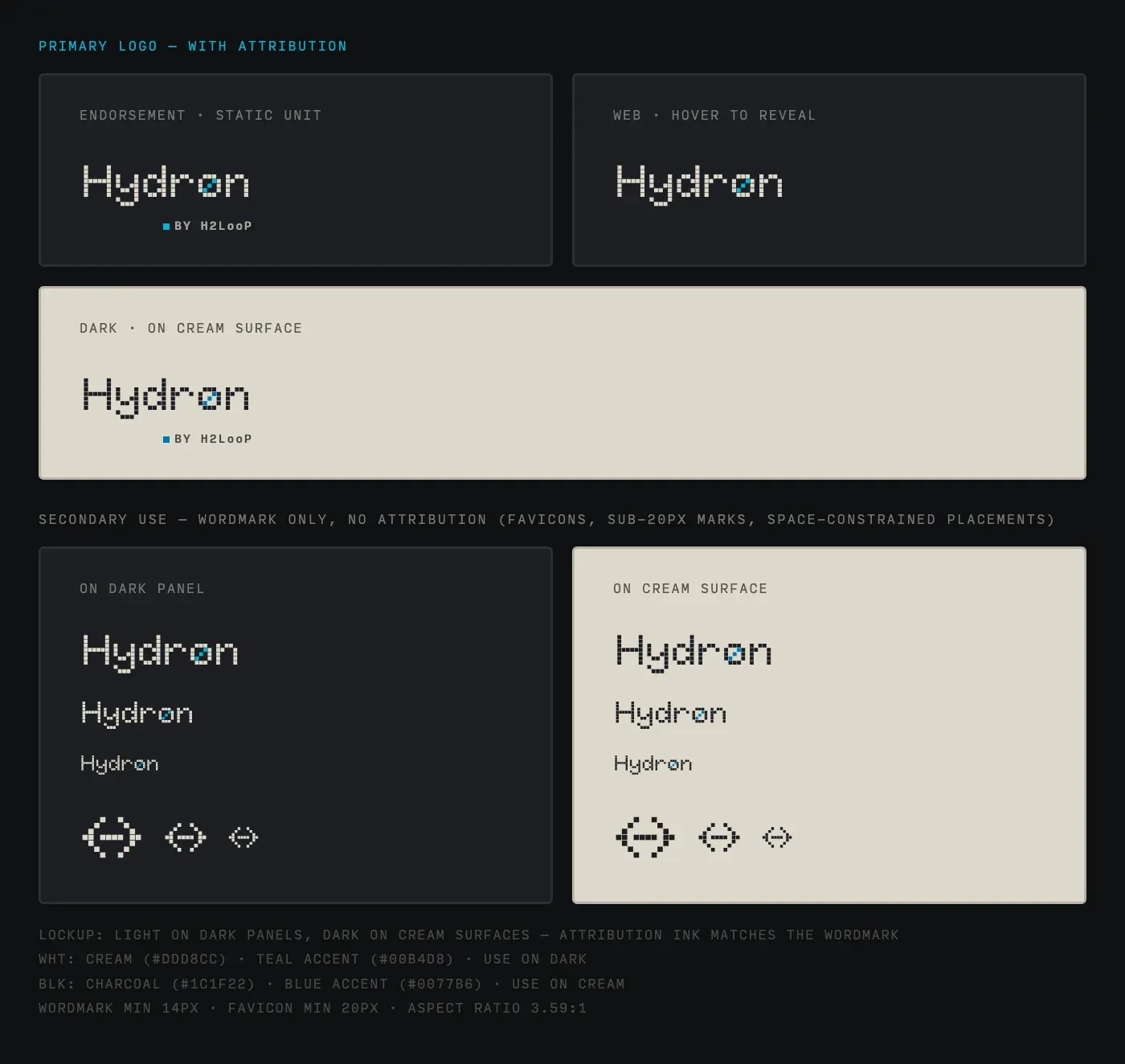
Setting one voice in type and mark
Writing the system for people and agents
AI coding agents (Claude Code and Codex) read the same tokens, the named values for every colour and size, and stop at any decision that is still open.
Starting every new screen on-brand
When agents read the same rules as designers, a new screen starts on-brand instead of being corrected later. The system therefore grows through new rules and needs fewer reviews.